AMMAN CITADEL / KEDEM GUIDE
Rabbath Ammon
Rabbath Ammon · Amman Citadel
The Amman Citadel is the central high ground within the city of biblical Rabbah. It is not equated with the whole ancient city; the guide reads the setting alongside David and Joab's siege of Rabbah.
Travel and visit times are estimates. Check access and opening arrangements before travel.
2 Samuel 11:1 · 12:26–29
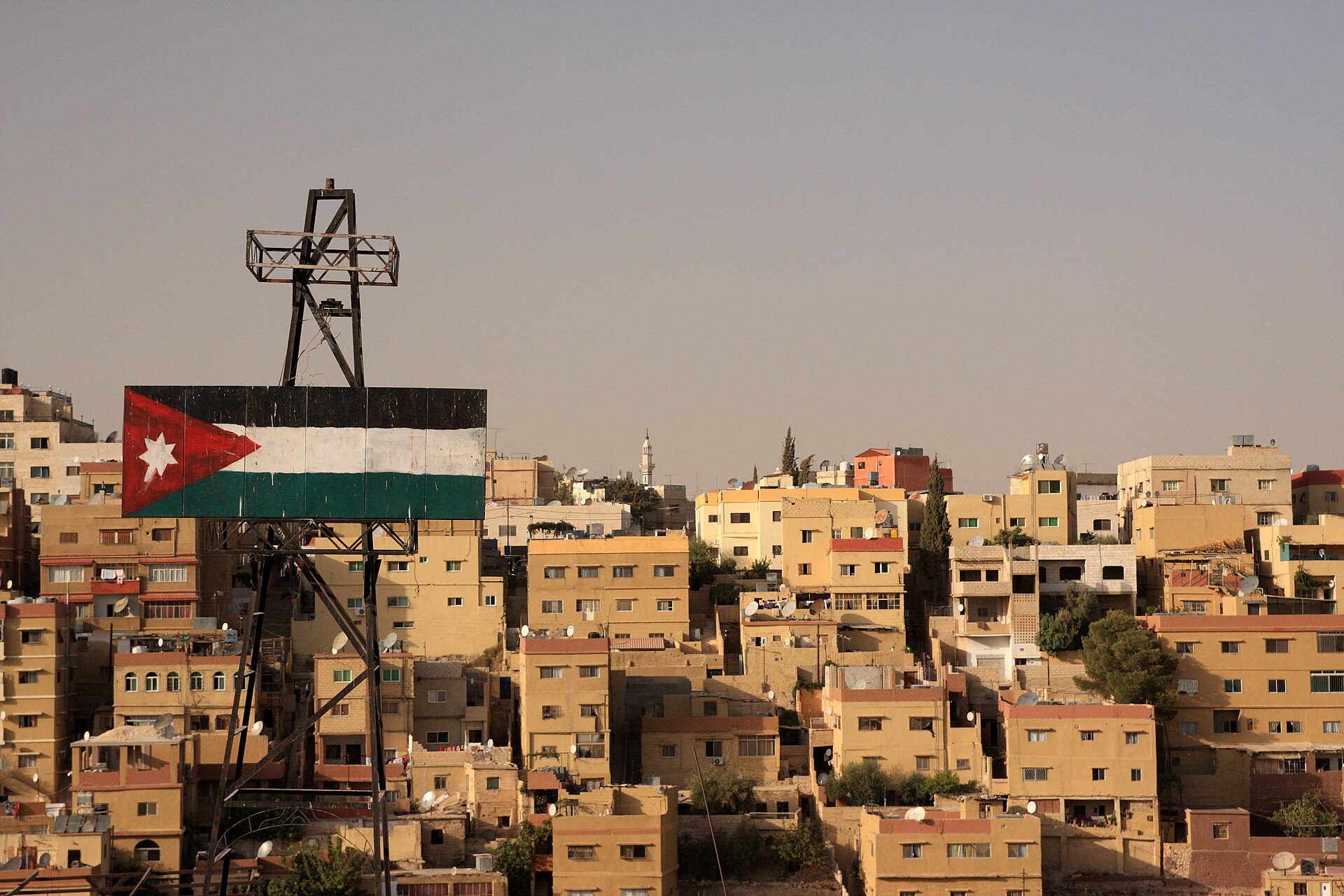
Jabal al-Qal'a, the hill of the Amman Citadel, recalls Rabbath Ammon, capital of the ancient Ammonite kingdom. The biblical city extended beyond a single summit, so the Citadel is best understood as its central high place and a window into Amman's long urban history rather than the whole city itself.
Biblical context
Second Samuel 11:1 places Joab and Israel's army at the siege of Rabbah, and 12:26–29 records Joab taking the royal city before calling David to complete the capture. David's sin against Uriah occurs within the same campaign, but the Citadel hill should not be treated as the whole ancient city.
History and tradition
Amman was known as Rabbath Ammon in the Iron Age and Philadelphia in the Hellenistic and Roman periods. On the Citadel, Ammonite traces, the Roman Temple of Hercules, a Byzantine church, and the Umayyad palace reveal several civilisations layered on one hill.
Pilgrim reflection
David won a war but fell before his own desire. Consider whether outward achievement has begun to replace inward integrity, and how authority and relationships are being held responsibly before God.
On-site notes
Most of the site is outdoors and exposed to sun and wind. Late afternoon offers excellent views across downtown Amman and toward the Roman Theatre. Confirm the archaeological museum and last-entry times on the day of your visit.
What to bring
Comfortable walking shoes, water, a hat and sunscreen, a light layer for wind, and modest clothing for the heritage site.