DANA · FEYNAN / KEDEM GUIDE
Punon Valley
Punon · Dana & Feynan
Biblical Punon is commonly associated with Feynan, but Dana village itself is not thereby identified as Punon. The guide distinguishes the wider Dana–Feynan landscape.
Travel and visit times are estimates. Check access and opening arrangements before travel.
Numbers 33:42–43
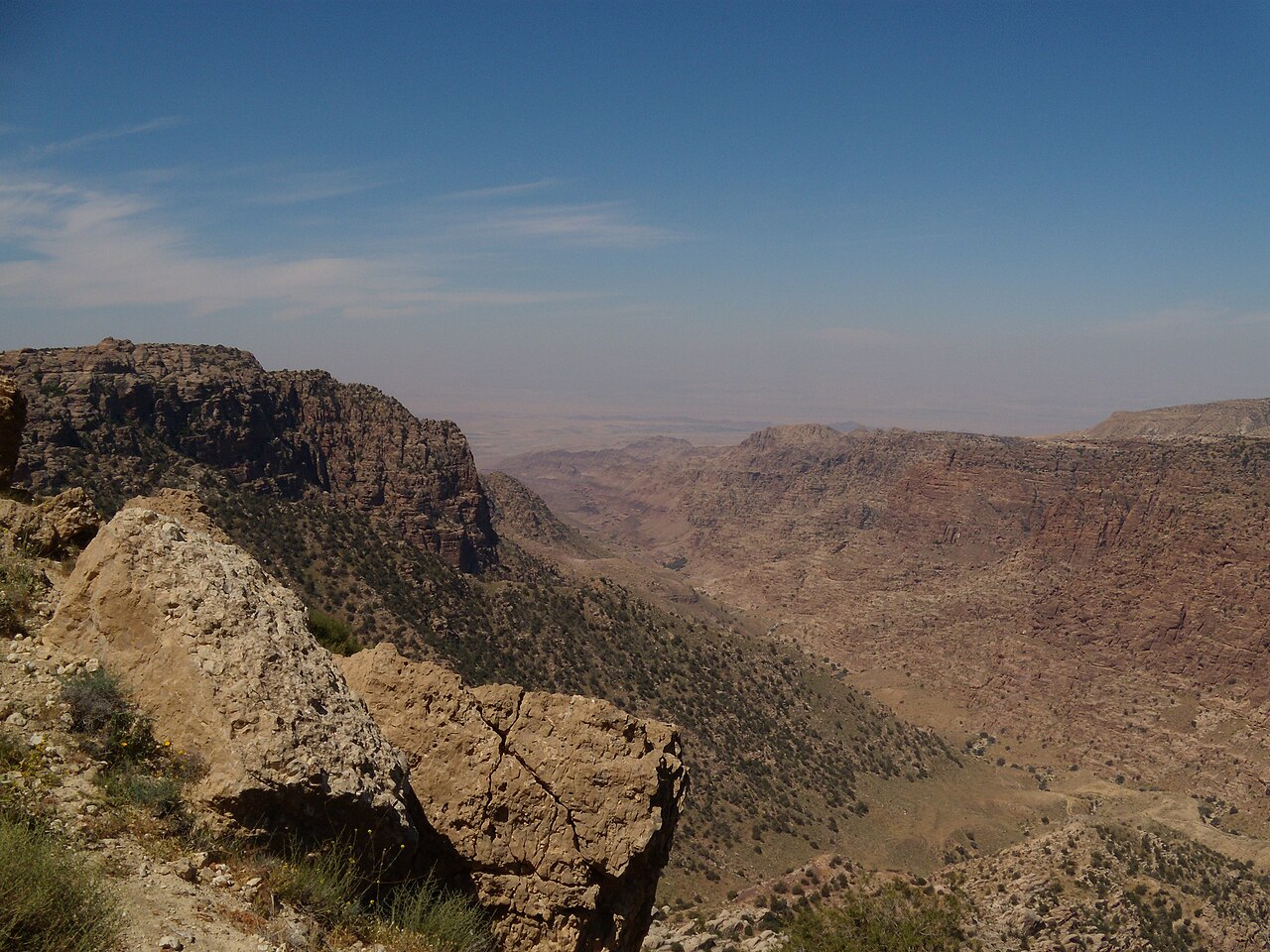
Wadi Dana descends dramatically from the highland village of Dana toward Feynan in the Wadi Araba lowlands. The modern name Feynan is widely proposed as preserving biblical Punon, but Dana village itself should not be claimed as the exact site. This guide presents the wider Dana-to-Feynan landscape as the pilgrimage setting.
Biblical context
Numbers 33:42–43 says only that Israel left Zalmonah, camped at Punon, and then left Punon for Oboth. The passage records no separate event at Punon and does not name modern Dana or Feynan.
History and tradition
Feynan was one of the ancient Middle East's major copper-producing districts, preserving evidence of mining and smelting across many periods. Today Dana Biosphere Reserve links high limestone plateau, sandstone canyons, and the desert lowlands within one protected landscape.
Pilgrim reflection
Scripture records no separate event at Punon, only the itinerary fact that Israel camped there. Rather than adding a meaning the passage does not state, attend carefully to the recorded stages of the wilderness journey.
On-site notes
Dana village and its viewpoints are relatively accessible, but descending the valley to Feynan is a full-day trek requiring advance planning. Confirm seasonal access, a guide, and return transport, and take heat and flash-flood risk seriously.
What to bring
Hiking or grippy shoes, at least 2 litres of water, snacks, a hat and sunscreen, a daypack, and a trekking pole and guide for the full descent.